
top kasyna online mobile kaszinójáték casino auf rechnung kasyno skrill polska rapid casino bonus casino mit drei bezahlen instant payout casinos mit handyrechnung bezahlen casino jeton casinos casino online com skrill rapid casino bonus mifinity casino 5 euro real money online casinos amazon pay casino muchbetter online casino online casino bonus real money casino gibt es seriöse online casinos paysafecard casinos canada casino uden for rofus casinoer på nettet online casinos that accept ecopayz casino paypal polskie kasyno bez weryfikacji multibanco online casinos online casino amazon pay muchbetter online casinos best casinos that accept jeton kasyna online MiFinity kasyno ezeeWallet casinos com transferencia bancaria kasyna z jeton wallet najlepsze kasyno online online casino canada magyar online kaszino paysafecard kaszinó online casino mit skrill novos casinos online portugal casino online zimpler ezeewallet casino online casino bonus portugal online casino best online casino portugal mobil kaszinó online magyar kaszinó casino online med paysafecard kasyno online ezeeWallet online casinoer med danske kroner casino sms online casino amazon pay casinos online skrill iphone casinos no deposit bonus
Kumarhane keyfini yaşamak bahsegel isteyenler için kategorisi oldukça ilgi çekici.
Yeni üyeler için hazırlanan Bettilt güncel giriş fırsatları oldukça cazip.
Yeni dönemde daha fazla özellik getirecek olan Bahsegel güncel giriş bekleniyor.
2024 yılında dünya genelinde toplam 45 milyon kullanıcı sorumlu oyun araçlarını aktif bettilt 2026 olarak kullanmıştır; bu sistemi entegre etmiştir.
Project on Supporting the Development of a Labour Inspection Model Aligned with Children’s Rights and the Children’s Rights and Business Principles in Türkiye
Türkiye, with its strong production capacity, skilled workforce, and close economic ties with the European Union, occupies a central position in many global supply chains. However, structural challenges such as child labour, informal employment, and precarious working conditions continue to persist, particularly in labour-intensive sectors such as agriculture, ready-made garments, textiles, and automotive. The impacts of the COVID-19 pandemic, economic vulnerabilities, and the social consequences of the 2023 earthquakes have further deepened these issues, making the strengthening of national efforts to combat child labour an urgent priority.
Project
Supporting the Development of a Labour Inspection Model Aligned with Children’s Rights and the Children’s Rights and Business Principles in Türkiye
Project Partner
UNICEF Türkiye & Ministry of Labour and Social Security of Turkish Republic
Status
Completed
In this context, the labour inspection system stands out as a critical mechanism for preventing child labour and ensuring working conditions that are consistent with human rights standards. Labour inspection in Türkiye has long operated within a comprehensive legal framework and has continually evolved to respond to emerging economic and sectoral dynamics. As human rights and environmental due diligence (HREDD) and sustainability-related regulations gain prominence in global trade, businesses operating in export-oriented sectors—as well as the relevant public authorities—are increasingly required to enhance existing systems. In particular, new EU regulations such as the Corporate Sustainability Due Diligence Directive (CSDDD) have underscored the strategic importance of aligning labour inspection practices with international standards.
Against this background, the Business and Human Rights Association (BHRTR), in cooperation with UNICEF Türkiye, provided technical support to the Directorate of Guidance and Inspection (DoGI) of the Ministry of Labour and Social Security of Turkish Republic for the development of a labour inspection model aligned with children’s rights and corporate sustainability principles.
Throughout the project, current practices in Türkiye were assessed, and good practices from countries such as France, Germany, the Netherlands, and Switzerland were examined through comparative analysis. Consultations with public institutions, inspection authorities, employers’ organisations, international bodies, and civil society actors—alongside field visits—formed the analytical basis for the proposed model.
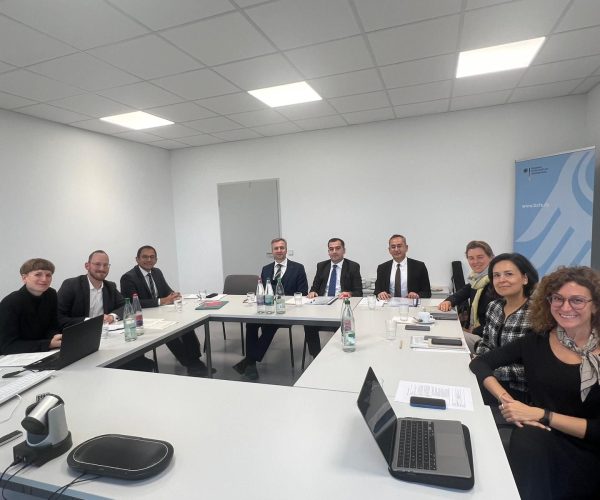
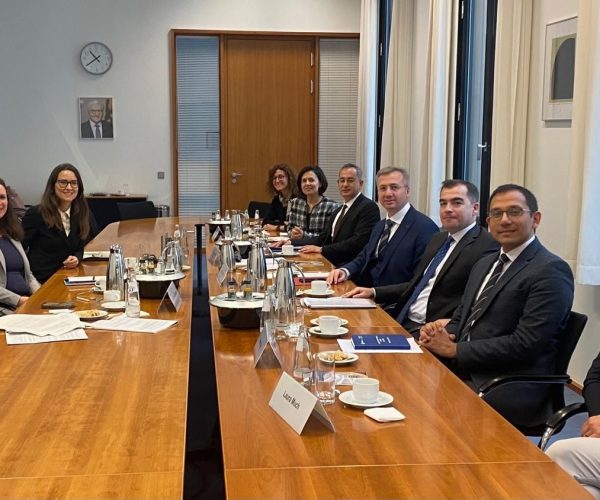
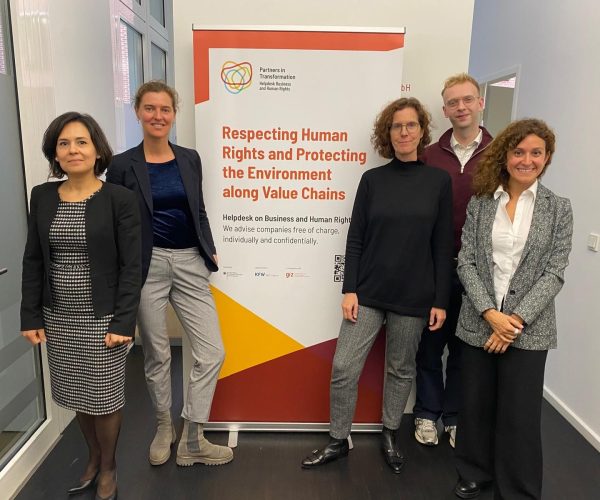
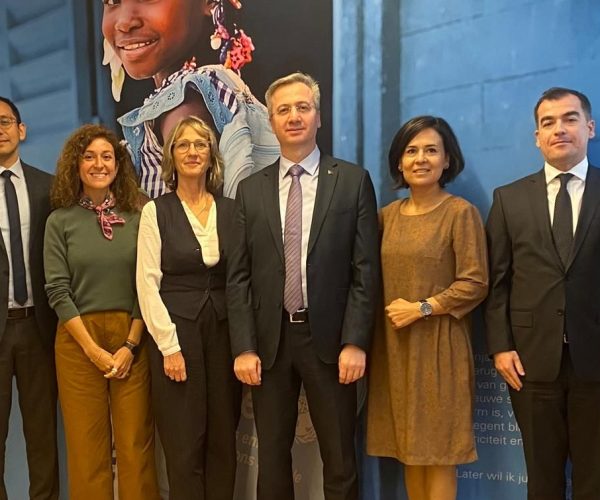
As part of the project, study visits were conducted to Germany and the Netherlands. These visits enabled the examination of institutional structures, methods for safeguarding human rights within supply chains, risk assessment approaches, and mandatory HREDD regulations. Meetings held with BMZ, BMAS, and BAFA in Germany facilitated exchanges on the implementation of the national supply chain law, supervisory processes, and preparations for alignment with the EU’s CSDDD. In the Netherlands, discussions covered the sector-based and risk-driven inspection model of the Netherlands Labour Authority (NLA) as well as the guidance and complaint mechanisms of the OECD National Contact Point. These engagements significantly contributed to ensuring that the proposed model for Türkiye is informed by international best practices.
At the conclusion of the study, comprehensive recommendations were developed to support the strengthening of labour inspection in alignment with children’s rights and to facilitate the integration of HREDD approaches into working life. The project thus provided an important foundation for enhancing institutional capacity in the fight against child labour and for promoting sustainable and rights-based business practices within global supply chains.