Beyond its technical outputs, the project has fostered multi-actor dialogue between public institutions, businesses, civil society and international organisations—laying the groundwork for longer-term collaboration on inclusive recovery and sustainable supply chain governance. The insights generated through this initiative underscore that enhancing disability inclusion is not only a matter of compliance, but a strategic investment in productivity, workforce resilience and competitiveness in global value chains. As Türkiye continues its recovery and adaptation to evolving international due diligence standards, the project’s findings and tools offer a solid foundation for scaling up inclusive practices across sectors and for ensuring that no one is left behind in the country’s economic transformation.
Strengthening Supply Chains in Türkiye
Türkiye’s textile and ready-to-wear sector stands as one of the key drivers of the national economy, playing a strategic role in both employment and exports. However, long-standing structural challenges—including intensive working hours, occupational health and safety risks, gender inequality, and barriers preventing the full and effective participation of persons with disabilities in the workforce—continue to shape the sector. The earthquakes of 6 February 2023 further deepened these existing vulnerabilities, leaving both enterprises and workers in an increasingly fragile socio-economic situation.
Project
Strengthening Supply Chains in Türkiye
Project Partner
UNDP & Ministry of Labour and Social Security of Turkish Republic
Status
Completed
Against this background, the United Nations Development Programme (UNDP), in partnership with the Ministry of Labour and Social Security (MoLSS) and with the Business and Human Rights Association (BHRTR) as the implementing partner, launched the “Strengthening Supply Chains in Türkiye” Project. The initiative aimed to enhance labour market participation for persons with disabilities and women—particularly in the earthquake-affected region—while promoting responsible business practices aligned with a human rights and environmental due diligence (HREDD) approach. The project examined post-earthquake employment dynamics, accessibility conditions, and occupational health and safety practices in the textile sector, and developed recommendations to improve the employability and working conditions of persons with disabilities and women.
Project Activities
Field Research
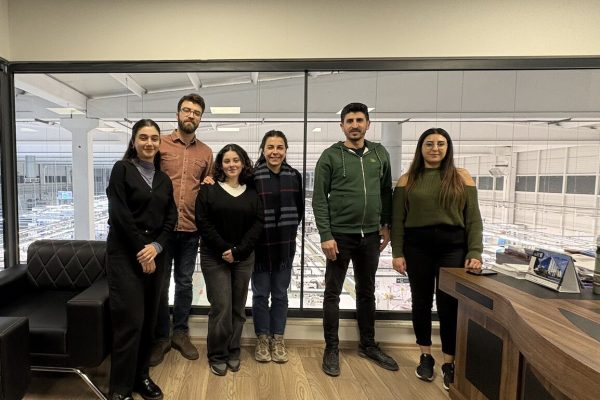
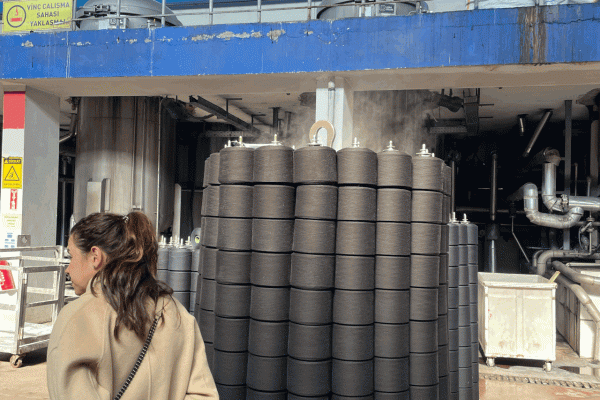
As a first component, extensive field research was conducted through visits to textile and ready-to-wear facilities in Kahramanmaraş, Malatya and Gaziantep. These site visits enabled direct observation of post-earthquake working conditions, accessibility levels, employment practices and sector-specific risk areas, ensuring that project recommendations were grounded in real needs and operational realities.
Online Data Collection
In order to complement the qualitative findings, a large-scale online survey was administered to companies across the sector, generating quantitative data on disability employment, inclusive workplace arrangements, responsible business practices, HREDD awareness and capacity needs. With participation from nearly 200 companies, the survey revealed key gaps, support needs and implementation challenges that businesses face in meeting responsible business and human rights standards.
Stakeholder Engagement
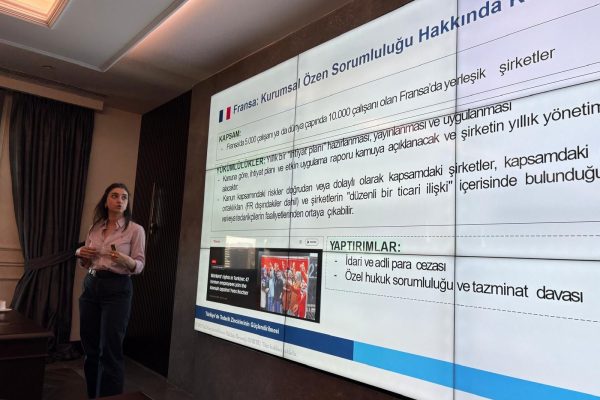
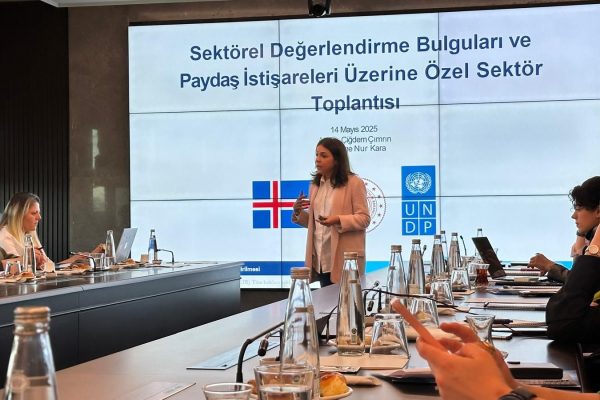
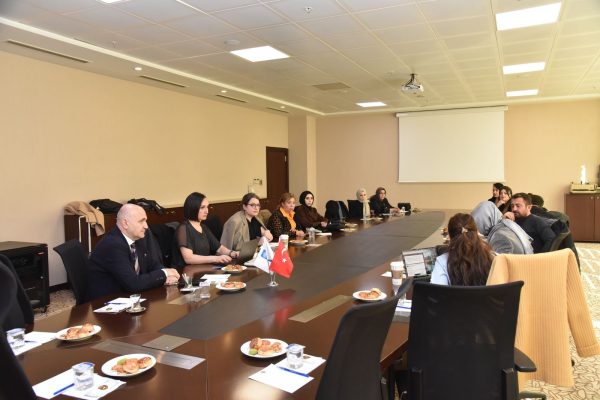
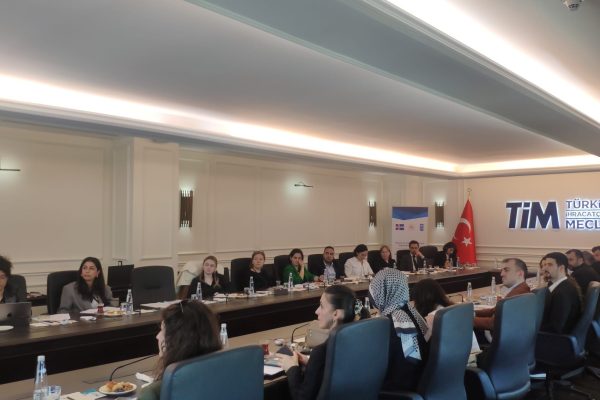
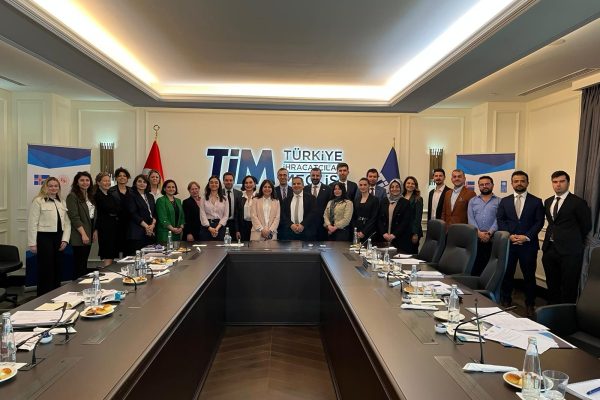
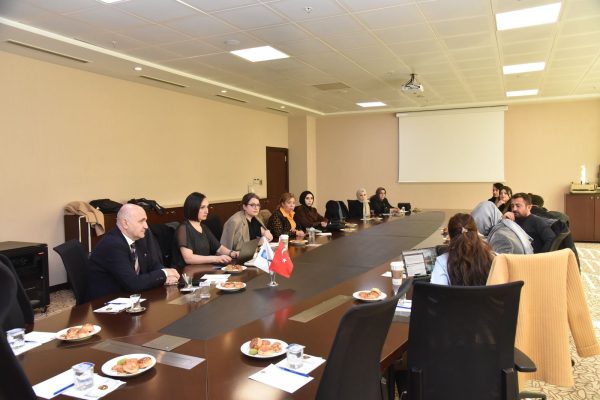
A core component strengthening the field research was the extensive stakeholder consultation process. Meetings with civil society organisations working on disability rights, women’s rights, equal access to education and digital inclusion provided valuable insights into the structural barriers faced by persons with disabilities and the role of digitalisation in improving access to employment for both women and persons with disabilities. Consultations with key business actors—including the OECD Istanbul Centre, UN Global Compact Türkiye, Gaziantep Chambers of Industry and Commerce, TÜRKONFED, TİM and İTKİB—further enriched the analysis, offering sector-wide perspectives on supply chain dynamics, labour shortages, and current human rights and OHS practices. These engagements played a critical role in shaping the assessment framework and ensuring that project outputs were aligned with stakeholder expectations and the rapidly evolving socio-economic landscape of the earthquake-affected region.
Corporate Guidance Framework for Inclusive and Rights-Based Practices
Based on the combined findings, the project developed a comprehensive guidance tool and assessment report designed to support companies in advancing inclusive employment, accessibility, occupational health and safety, and alignment with HREDD standards. The guidance highlights practical measures ranging from workplace adjustments and reasonable accommodation to gender-responsive practices and opportunities created by digitalisation—offering companies a concrete roadmap to strengthen their practices in the evolving post-earthquake context.