Programme
Accountability for Children, Advocacy for Rights (ACAR), Collaboration Programme with Civil Society Organisations on Knowledge Generation and Monitoring
Donor
UNICEF Türkiye, cofunded by the European Union
Duration
7 months
Project Description
Seasonal agriculture remains one of the most complex areas in efforts to prevent and eliminate child labour in Türkiye. Young workers aged 15 to 18 occupy a particularly vulnerable position. While national legislation allows young people within this age group to work under specific conditions, gaps in field level monitoring and corporate human rights due diligence processes may leave them exposed to harmful working conditions and other rights related risks.
These challenges are particularly significant in export oriented agricultural value chains such as hazelnuts, roses and grapes, where risks may include excessive working hours, exposure to pesticides, inadequate living conditions and disruption to education.
The Invisible Youth project addresses this gap by placing the specific rights, needs and vulnerabilities of young workers at the centre of corporate human rights due diligence. Drawing on evidence from the field and engagement with young workers, companies and other relevant stakeholders, the project develops a Child Sensitive and Youth Focused Due Diligence Model designed to support more effective identification, prevention and mitigation of risks affecting young workers in agricultural supply chains.
Aim
The project aims to strengthen the protection of young workers aged 15 to 18 in seasonal agricultural value chains from harmful work, economic exploitation and other rights related risks.
Through the development of an evidence based Child Sensitive and Youth Focused Due Diligence Model, the project seeks to provide companies and supply chain actors with practical tools for integrating the specific rights and vulnerabilities of young workers into corporate supply chain management and human rights due diligence processes.
Objectives
Evidence Generation and Situation Analysis
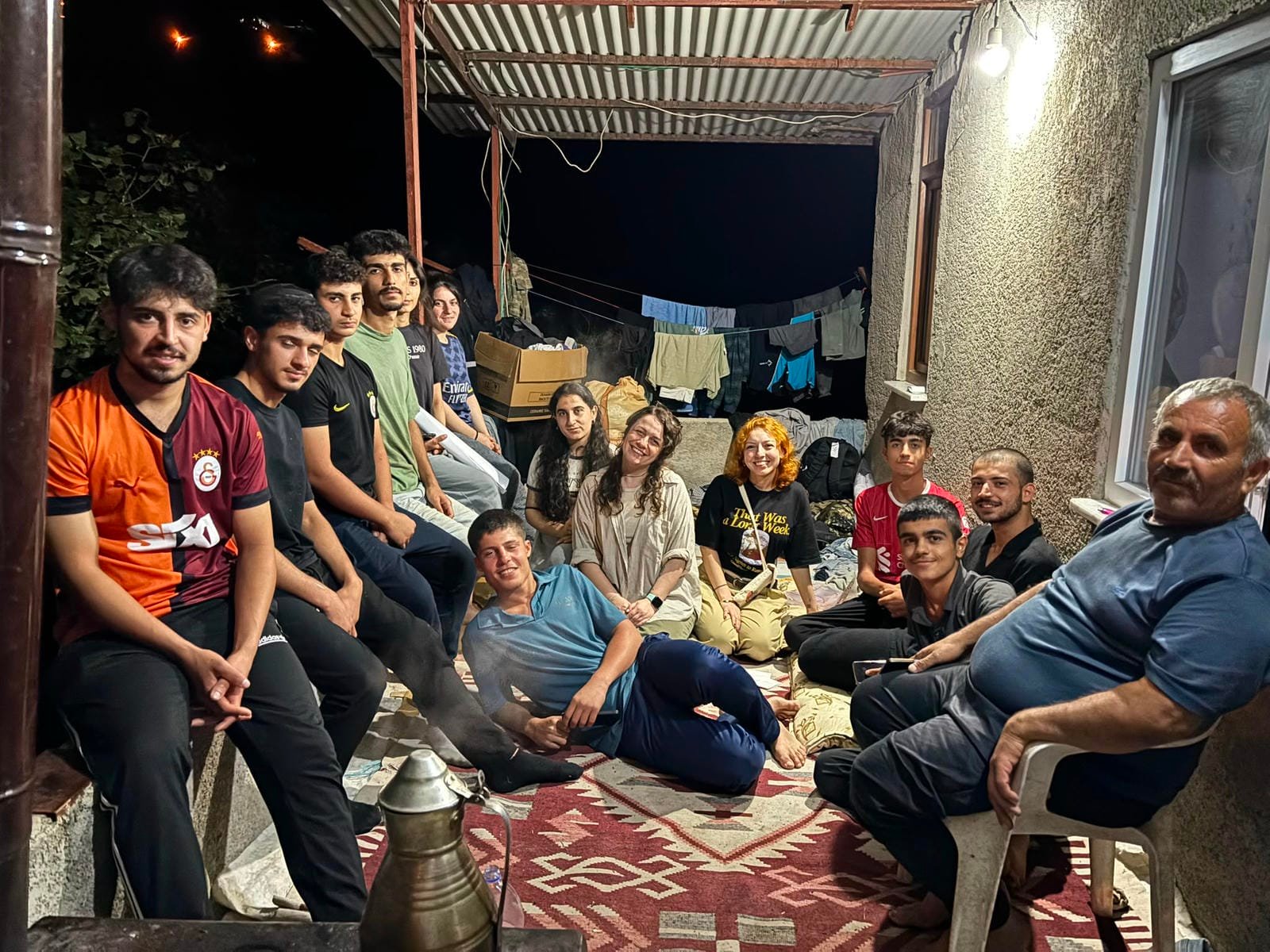
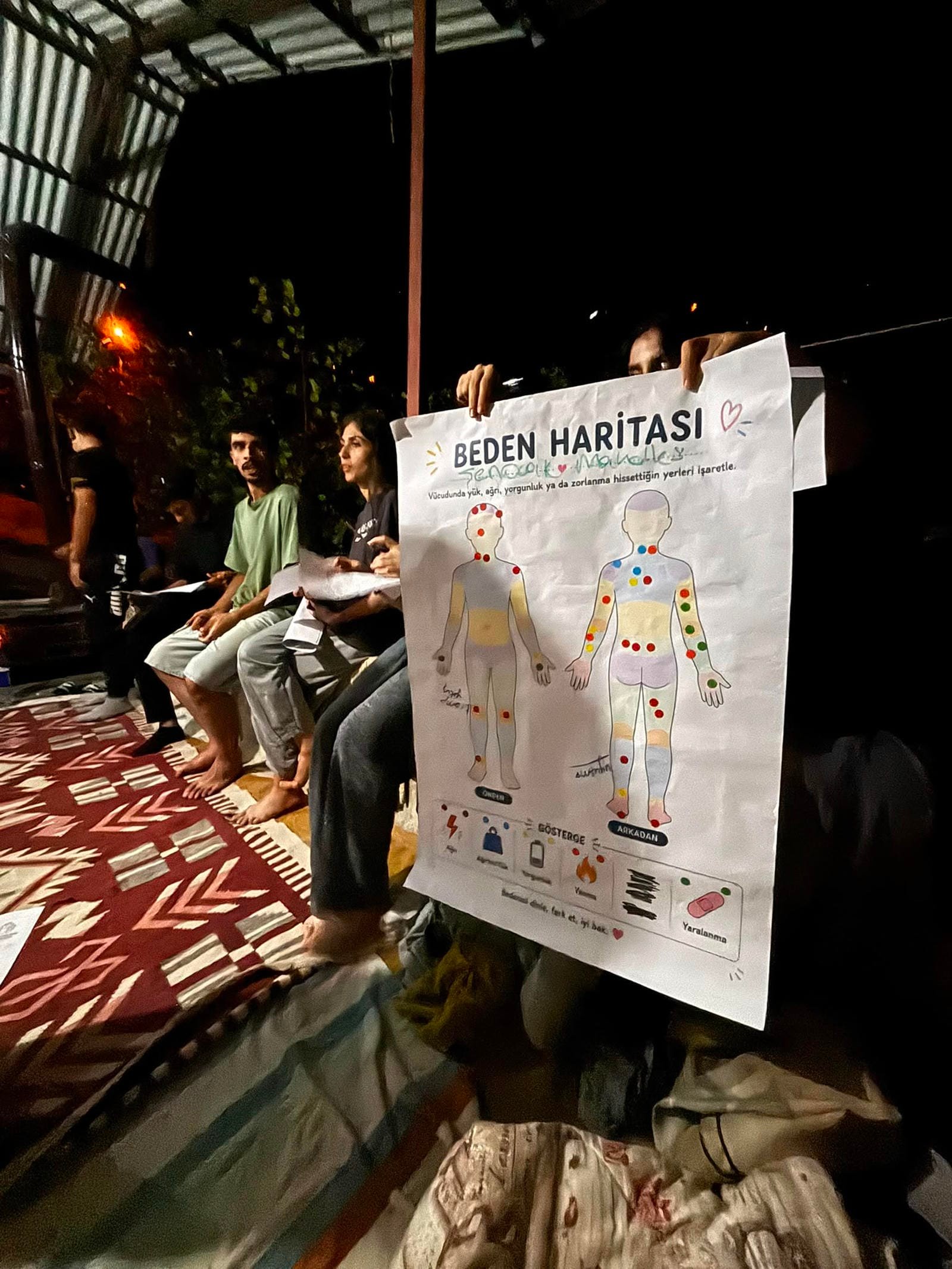
Document the physical, psychosocial and structural risks faced by young workers through participatory youth workshops and multistakeholder field research, while identifying gaps between corporate policies and realities on the ground.
Operational Model and Tool Development
Develop a maturity based Child Sensitive Due Diligence Implementation Framework and a bilingual Implementation Guide containing practical tools and checklists to support companies in identifying, monitoring and addressing risks affecting young workers.
Advocacy and Capacity Building
Promote the integration of protective and developmental measures, including access to education, safer working conditions and skills development, into corporate policies and sectoral practices through engagement with local suppliers, international sourcing companies and relevant public actors.
Methodology and Target Groups
The project combines participatory workshops with young workers, in depth interviews with local and international companies, desk based research on child labour and comparative policy analysis informed by the UN Guiding Principles on Business and Human Rights and the Children’s Rights and Business Principles.
The project directly engages:
- Young workers aged 15 to 18 engaged in seasonal agriculture
- Local suppliers and exporters
- International sourcing companies
Key Outputs
- A bilingual Child Sensitive Due Diligence Implementation Framework and Guide, including a maturity model and practical tools for corporate supply chain management
- A Policy Brief presenting key findings and recommendations
- A field findings report documenting risks and implementation gaps identified through the research
- A closing stakeholder session introducing the Framework and its practical application to companies and other relevant actors
BHRTR's Role
BHRTR leads the implementation of the project, drawing on its extensive field experience across Türkiye’s agricultural supply chains and its established engagement with local suppliers and international sourcing companies.
The project builds on BHRTR’s work across hazelnut, rose, apricot, apple and grape supply chains and combines field based evidence with international business and human rights standards to develop practical tools for companies and other supply chain actors.
Sustainability
The Child Sensitive Due Diligence Guide and Maturity Model are designed for continued use beyond the project period. The tools will inform BHRTR’s ongoing engagement with companies and other stakeholders and will be disseminated through relevant business networks and civil society partnerships to support wider integration of child sensitive due diligence practices into agricultural supply chains.